『かきそこなひ』シリーズ
書の鑑賞においては、どうしても「読むこと」が優先され、「感じること」が後回しにされがちです。
しかし私は、書が現代アートと対等に向き合っていくためには、「読む」ではなく「感じる」という身体的で直感的な体験が、
より重視されるべきだと考えています。また、文字を書くという行為そのものが、非常にプリミティブで根源的な表現だと感じています。
人間が言葉を持つ以前から、線や記号を用いて何かを伝えようとしてきたように、書くことには、本能に近い衝動が内包されています。
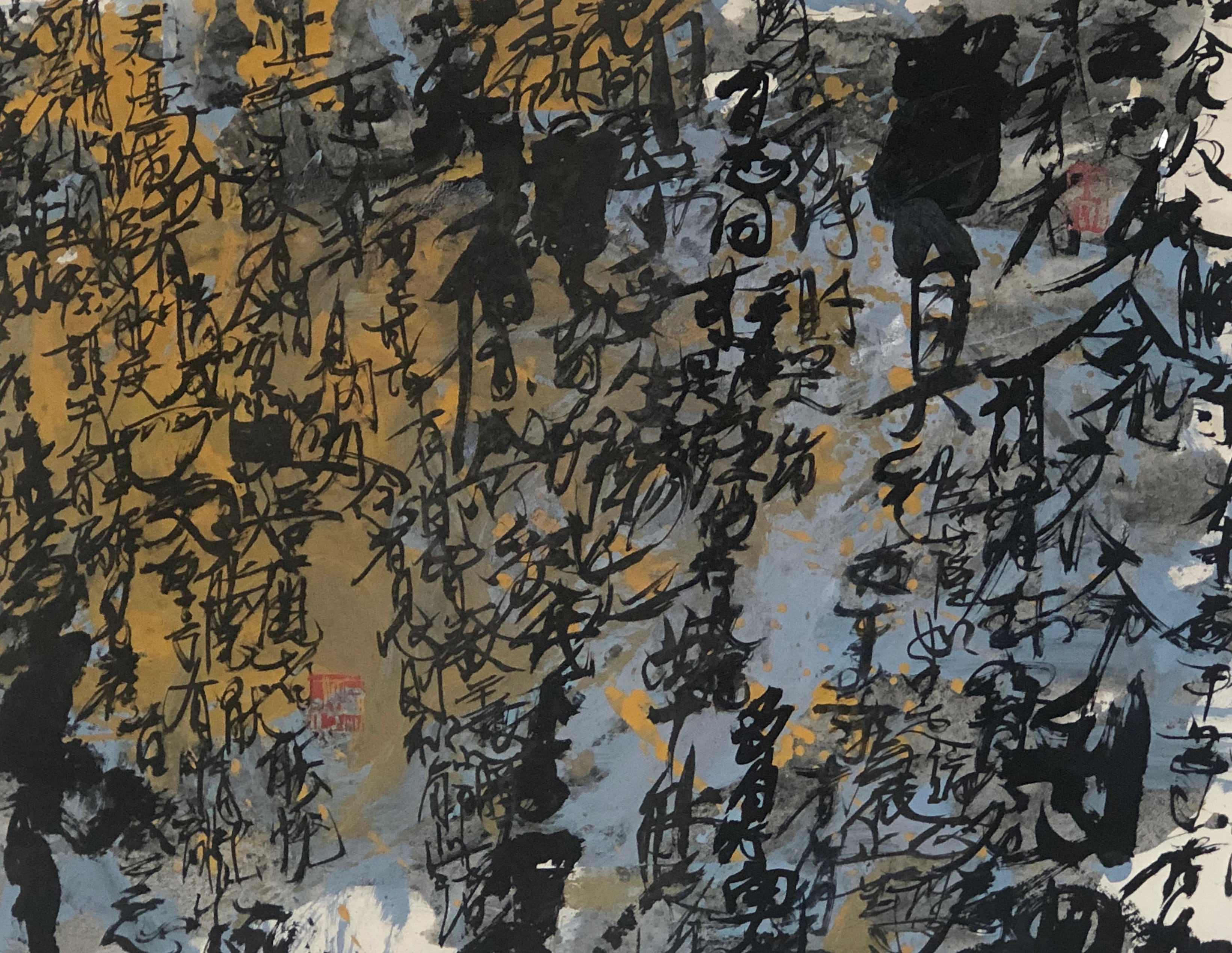
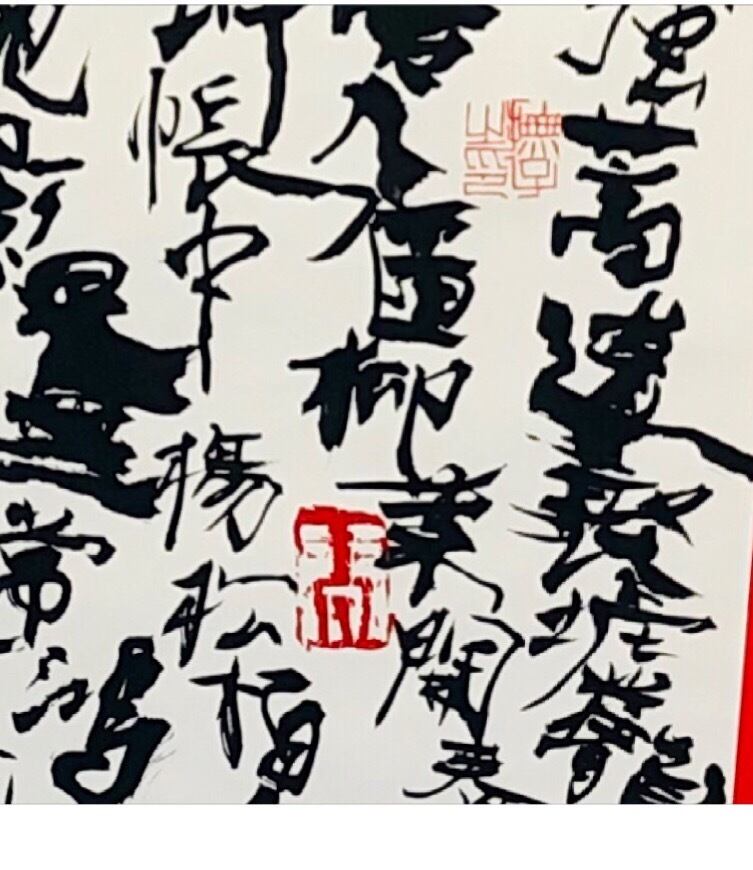
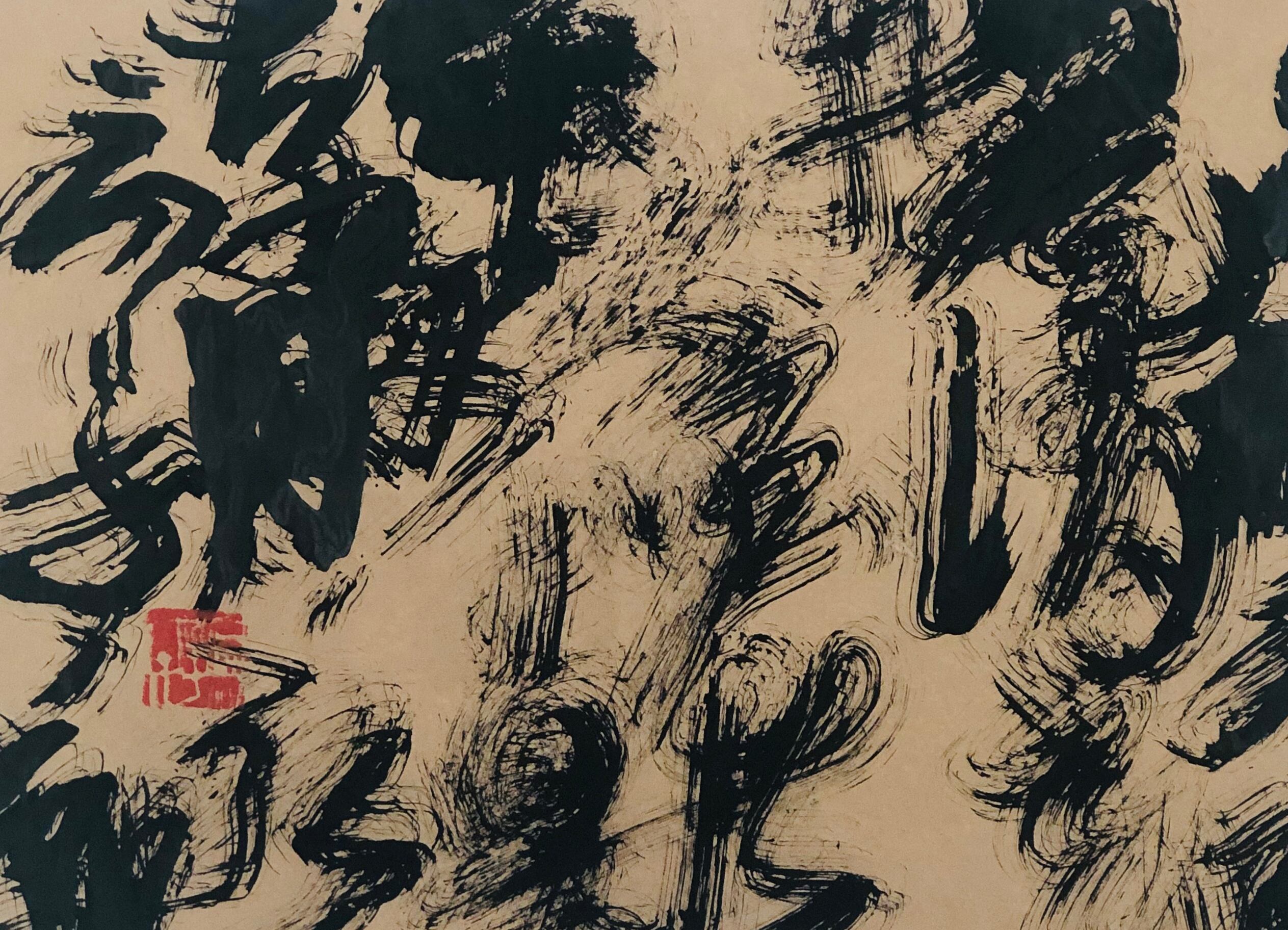
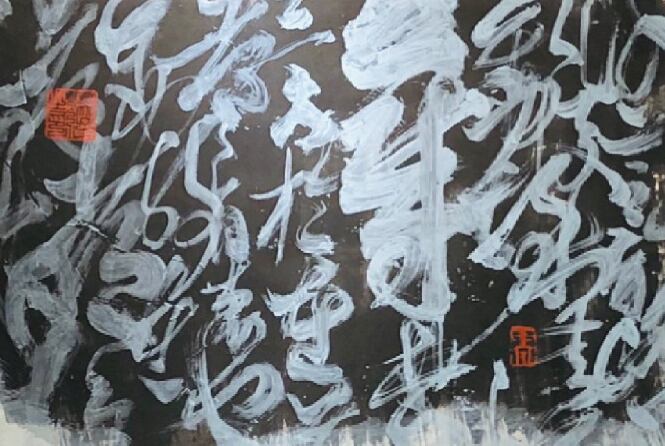
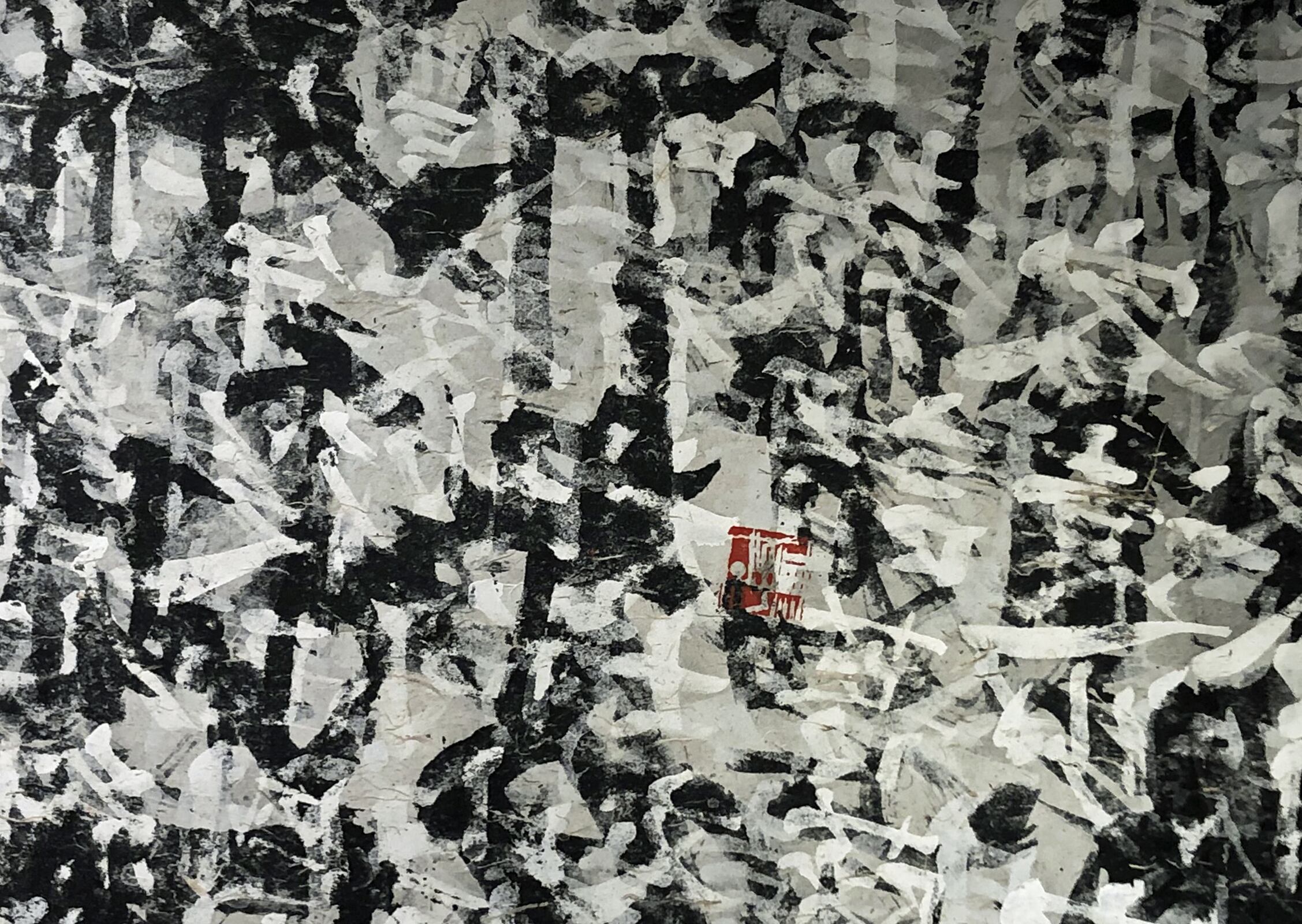
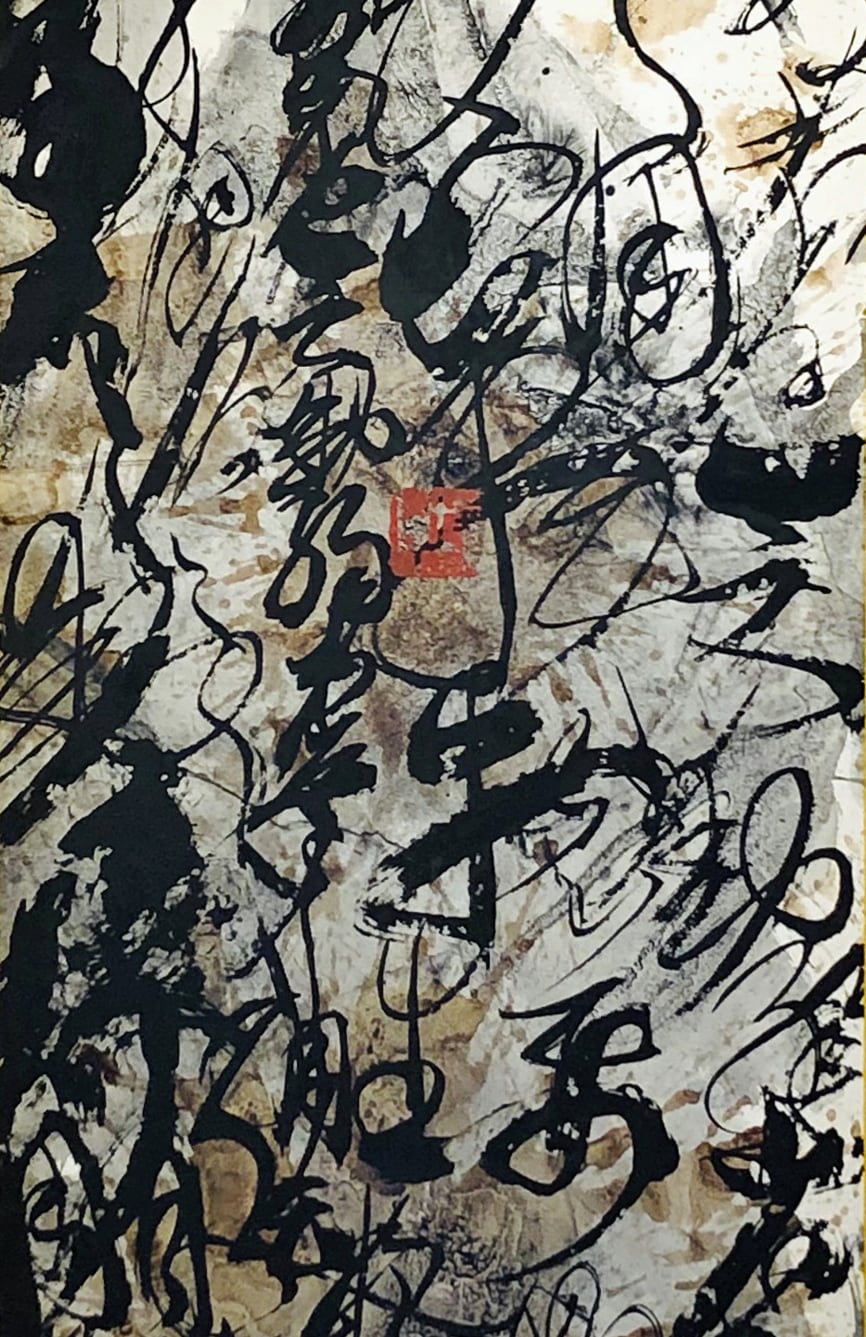
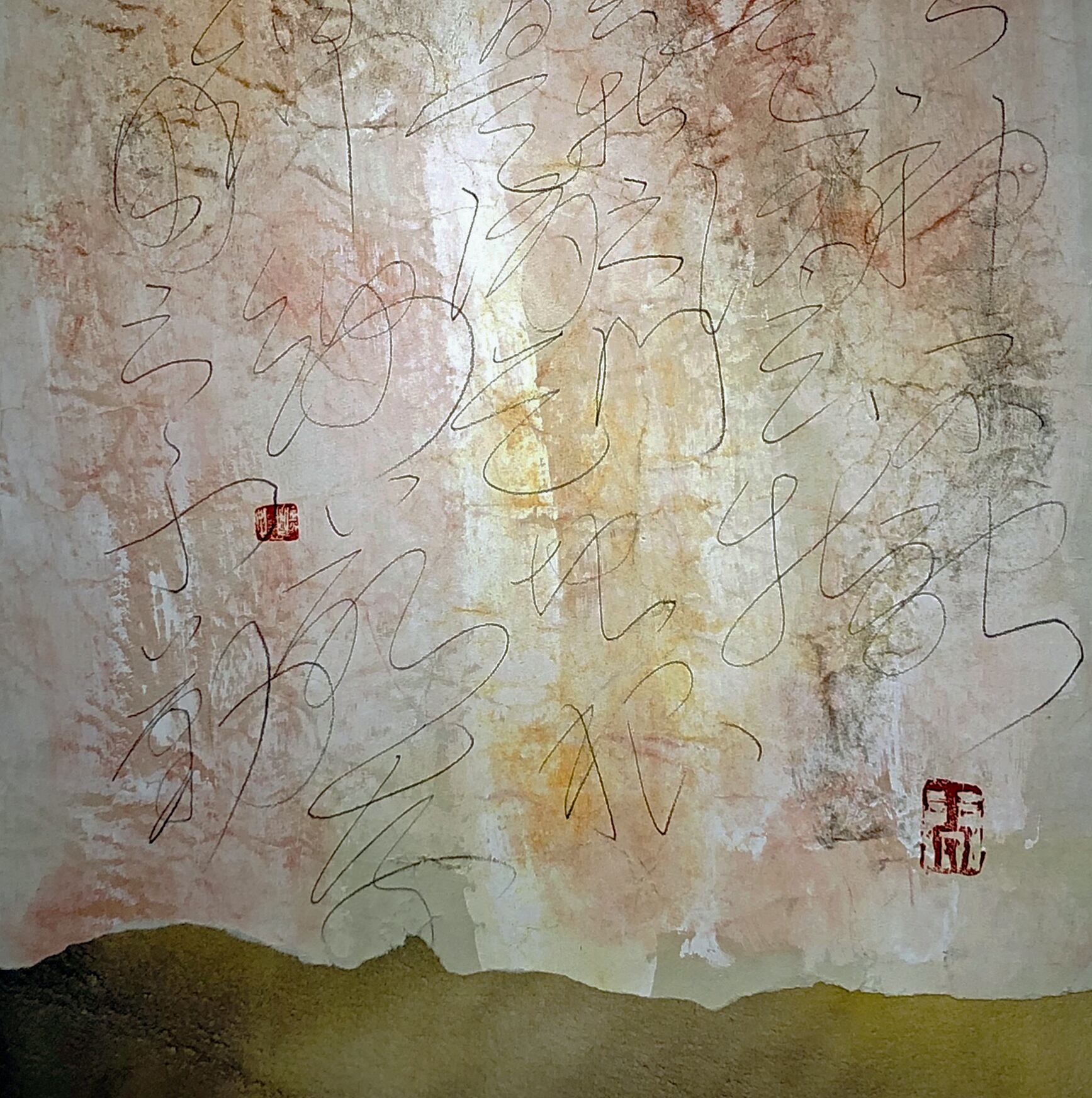
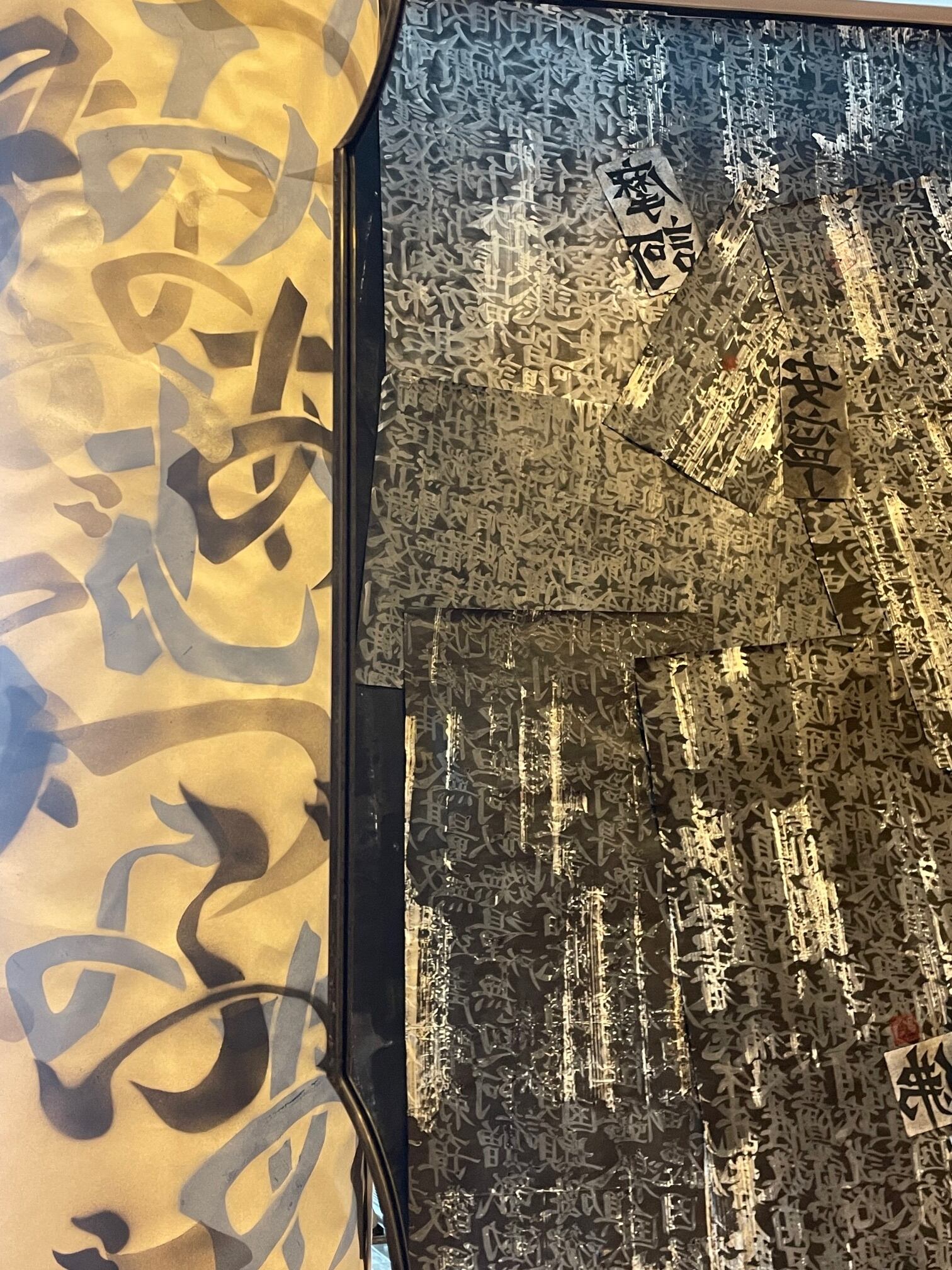
この「かきそこなひ」シリーズでは、書の中に潜む不完全さの中の美を探求しています。
筆致は文字でありながら、ラインアートとしての造形性を持ち、エイジング加工や美術的な下地処理を加えることで、
書と現代美術が融合する表現を試みています。
「かきそこなひ」とは、完成された“正しい”書ではなく、不完全であるがゆえに生まれる余白やゆらぎ、
そして偶然性を受け入れた美の在り方を象徴する言葉です。
私はこのシリーズを通じて、書を視覚芸術として昇華させることを目指しています。
About the “ Kakisokonahi “(“Imperfect Writing”)”Series
In the traditional appreciation of calligraphy, the act of reading often takes precedence over feeling.
Yet I believe that for calligraphy to engage with contemporary art on equal footing, it must prioritize the intuitive,
embodied experience of feeling rather than intellectual interpretation.
Moreover, I see the act of writing itself as a deeply primitive and fundamental form of expression.
Long before the invention of formal language, humans used lines and marks to communicate.
The gesture of writing is, in many ways, a primal impulse rooted in the body.
In my series “Kakisokonahi,” I explore the beauty found in imperfection a concept central to traditional Japanese aesthetics.
The strokes born from writing are reimagined not merely as written language but as expressive lines in visual art.
Aging effects and painterly surfaces further blur the boundaries between calligraphy and contemporary art.
The word “Kakisokonahi” (loosely translated as “written mishap”) does not imply failure, but rather embraces incompleteness,
fluctuation, and serendipity as pathways to beauty.
Through this series, I seek to elevate calligraphy into a contemporary visual art form grounded in the aesthetics of imperfection and
the primal act of mark-making.